healthy recipe blogs which will inspire you Over 1000 recipes to try! If you're looking for some new healthy recipe inspiration

5 make ahead lunches for work easy That Don't Need Reheating

plan ahead with these five lunches that don't need reheating
Choosing the right packable lunch for work can be tricky. You want something that will travel easily, store well, and still be tasty by the time lunch rolls around.


1. This Pesto Pasta with Grilled Chicken is an easy and delicious weeknight meal.  Serve it cold as a summer pasta salad or hot as a delicious winter entree!


The perfect pasta salad to enjoy at your desk – because sometimes lettuce-based salads simply aren't enough. Get the recipe.


2. Sweet Chili Chicken Wraps Simmered and shredded chicken in a sweet chili sauce with crunchy veggies and fresh lime. The perfect wrap for dinner!


Sweet chili sauce can be found in the international section of most grocery stores and gives this wrap a sweet and spicy flavor. Get the recipe.


3. Chicken Pesto Sandwiches , Easy chicken pesto sandwiches that make lunch a million times more interesting. This simple lunch makes meal prep easy for the entire week.


Just because it's a sandwich doesn't mean it has to be boring — case in point: this flavorful pesto sandwich. Get the recipe.


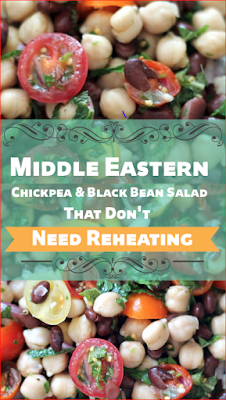
4. Middle Eastern Chickpea & Black Bean Salad
    A delicious middle eastern chickpea salad with black beans. This grain and gluten free salad is            packed with protein and perfect for lunch!


Serve this salad with pita or all on its own for a protein-packed lunch that'll keep you full.
Get the recipe.


5. These Greek Chickpea Wraps are crunchy, tangy, and simple to make!


The perfect veggie-packed lunch that'll help you make it through the day. Get the recipe.


Share:

pregnancy tips for new moms survival guide Is it safe to travel long when pregnant?

In general, the first twelve weeks and after entering the 36 weeks of pregnancy, pregnant women are advised not to travel far. In the early period of pregnancy, in addition to the high risk of miscarriage, other pregnant women often feel nausea and are more easily tired. The risk of miscarriage increases towards the end of pregnancy.

Pregnant is often a person's obstacle to travel. You know, the 14th to the 28th week of pregnancy can generally be the best time to travel for expectant mothers.


With proper preparation, traveling while pregnant becomes a safe activity. Before departing, be sure to check with your doctor first to make sure your content is healthy enough to travel. It is advisable not to travel to areas with high levels of illness or infection, such as areas with malaria.

There are various ways of traveling with the comfort and risks of each for pregnant women. Look at the details that need to be prepared in different modes of transportation.

Travelling by plane
Here are some things that should be a concern if you are a pregnant mother who will travel by airplane:

Check the airline policy that you will be traveling with about the pregnant passenger. Each airline has its own policies regarding the gestational age of passengers who are allowed to travel.
After the 28-week pregnancy, the airline may request a certificate from the doctor explaining that you are not experiencing the risk of complications.
When booking a seat, make sure the seat position you choose is really comfortable. It is advisable to choose a seat close to the aisle, to facilitate the movement out of the entrance, go to the toilet, or ask for flight attendant assistance.
It is recommended to drink plenty of water. The condition of the aircraft with low humidity can trigger.
It is recommended to move the limbs every 30 minutes to facilitate the circulation of blood. The reduction in air pressure during the flight can slightly reduce the oxygen level in the blood. In addition, flights of more than five hours are also at risk of making pregnant women suffer from blood clots. With many moves, the bloodstream will become smoother.
To prevent leg swelling, you can close your legs with a long sock or stocking.
Unless you are constantly travelling by plane, exposure to sunlight in an airplane is relatively harmless to pregnant women.
Make sure your seat belt is mounted at the bottom of the stomach to guard in case of turbulence.
However, on the other hand, you are advised not to travel by plane if you are in the following conditions:

Your baby is at risk of premature birth.
Problems occur on your content placenta.
Your gestational age has reached 36 weeks.
Based on certain medical history, the Doctor advises you not to travel by plane.
To be safe, it's a good idea to first go to your obstetrician to find out the latest condition of your health and baby.

Travelling by car
Here are some guidelines if you are a pregnant mother who is planning to travel remotely with land transportation, such as a bus or car:

Avoid driving a car by yourself in long distances. Recommended to go with your friends or your spouse.
Wear a seatbelt with the position of the top strap crossing between the breast and the bottom strap holding the pelvic bones to reduce shock.
Keep the air circulation in the car smoothly.
Drink enough water and consume healthy snacks, such as nuts and fruits, to prevent drowsiness and fatigue.
To reduce the pressure on the bladder and accelerate blood circulation in the legs, try to get off the vehicle at least once every two hours. Urination and walking on a pause can help reduce this pressure.
Bring the equipment you might need in a car like pillows, jackets, medicines. In addition to driving a car, pregnant women also need to be careful when travelling by motorbike while pregnant.

Travelling by sea transportation
Travelling by sea is generally safe enough to do when pregnant. Some of the considerations you should look out for are:

Check the policy of the Sea Transportation service provider that you are going to have has regulations on the protection of pregnant women. Some companies establish regulations to not carry passengers with certain gestational age.
Find out if the sea transportation provides medical services during the trip, especially for pregnant women.
Eating less oily snacks can help relieve nausea.
With careful preparation, expectant mothers can travel safely and comfortably, without compromising the safety of babies.

Share:

Diese Tipps, um dauerhaft und natürlich Gewicht zu verlieren

Wenn Sie Gewichtsverlust planen, können die folgenden permanenten und natürlichen Gewichtsverlust Tipps eine Lösung sein. So Gewichtszunahme zurück Gewichtsverlust kann vermieden werden.

Viele Menschen finden Tipps zum dauerhaften und natürlichen Abnehmen, so dass die erreichte Gewichtsabnahme aufrechterhalten werden kann. Da es nicht ungewöhnlich ist, Gewicht nach dem Sturz zu halten, ist es schwieriger als zu senken.

permanently and naturally
This Tips to lose weight


Dinge, auf die Sie achten sollten
Tipps, um dauerhaft Gewicht zu verlieren, ist die erste, eine Verpflichtung zu sich selbst zu machen. Denn um das gewünschte Gewicht zu gewinnen, brauchen wir Anstrengung und Engagement auf lange Sicht. Eine gesunde Lebensänderung sollte dauerhaft erfolgen.


Nachdem die Verpflichtung gut formiert ist, können Sie die folgenden Dinge tun:

Ein Frühstück am Morgen
Das Frühstück wird ein wichtiger Teil der Gewichtsreduktion oder Gewichtserhaltung. Eine Studie legt nahe, dass das Überspringen des Frühstücks eher dazu führt, dass man versucht ist, tagsüber oder während der ganzen Tage kalorienreiche Lebensmittel und ungesunde Snacks zu konsumieren. Eine andere Studie erwähnt, Frühstück war in der Lage, die Ebenen von Ghrelin zu senken, Das ist ein Hormon, das einen Hungrigen verursacht. Es ist jedoch wichtig, das Frühstück mit nährstoffreichen Lebensmitteln sicherzustellen. Zu den vorgeschlagenen Lebensmitteln gehören Haferflocken, die mit Früchten wie Bananen und Nüssen gemischt werden, Omeletts mit viel Gemüse, Weizenbrot oder schwacher Joghurt mit Beeren und Müsli.

Essen von Ballaststoffen
Routinemäßiger Verzehr von Lebensmitteln, die reich an Ballaststoffen sind, ist auch ein Teil der dauerhaften Gewichtsverlust Tipps. Denn der Verzehr von Ballaststoffen, wie verschiedene Arten von Gemüse, Nüssen, Hülsenfrüchten und Früchten, kann Sie voller fühlen, so dass der Wunsch, andere Lebensmittel zu konsumieren reduziert wird. Fiber Foods helfen auch, die Gesundheit des Magen-Darm-Trakt es zu erhalten.

Regelmäßige Workouts
Regelmäßige Bewegung hat eine wichtige Rolle, um dauerhaft Gewicht zu verlieren. Neben der Kalorienverbrennung kann Bewegung auch den Stoffwechsel erhöhen, so dass mehr Kalorien verbrannt werden. Nehmen Sie sich mindestens 30 Minuten pro Tag für den Sport, damit das Gewicht nicht wieder zur Wanderung zurückkehrt.

Vermeiden Sie süße Getränke
Süße Getränke haben hohe Kalorien, daher empfehlen wir, den Konsum von gesüßten Getränken von nun an zu vermeiden. Wenn Sie lust auf ein Getränk mit Geschmack haben, können Sie süße Getränke wie Soda durch ein gesünderes süßes Getränk wie reinen Fruchtsaft, infundiertes Wasser, fettarme Milch oder nahrhaften Gemüsesaft ersetzen.

Genug Schlaf
Eine Studie legt nahe, dass Schlafmangel Gewichtszunahme auslösen kann. Denn wenn eine Person nicht schläft, wird die Produktion von Ghrelin und Leptin Hormone betroffen sein. Die Produktion von Ghrelin-Hormon, das ein hungriges Hormon ist, wird erhöhen und signal an den Körper zu essen. Während der Produktion von Leptin-Hormone, die Hormone, die ein Sättigungssignal geben, wird abnehmen. Stellen Sie also sicher, dass die Schlafzeit ausreichend ist, was etwa 8 Stunden pro Tag ist.

Stress gut managen
Viele Menschen machen Essen als Flucht, um Stress abzubauen. Versuchen Sie, Stress mit einer positiveren Sache abzulenken.  Es kann damit beginnen, an etwas zu arbeiten, das Ihnen gefällt, wie z. B. ein Hobby zu machen oder Ihr Haustier zum Spielen einzuladen. Es kann den Körper wieder entspannen lassen. Darüber hinaus kann Bewegung auch ein Stressausbruch sein. Es kann mit sehr einfachen Dingen wie Spaziergang rund um den Park in der Nähe des Hauses getan werden, oder Yoga-Übungen, die den Körper entspannter machen können.

Die Aufrechterhaltung des Engagements und der Motivation, einen gleichbleibend gesunden Lebensstil zu leben, ist wichtig, als Tipps, um Gewicht dauerhaft natürlich zu verlieren. Denn je mehr Man sich an einen gesunden Lebensstil gewöhnt, desto einfacher wird es sein, ihn als Teil ihrer täglichen Routine zu führen.
Share:

healthy food recipes easy kids Skillet Chicken Pot Pie

What is Skillet Chicken Pot Pie?
It's a savory pie filled with cooked chicken, onion, carrot, and peas in a creamy sauce.
How long does chicken pot pie last?
Freshly baked, chicken pot pie will last up to 5 days in the refrigerator. Cover with aluminum foil or store in a resealable container

.


INGREDIENTS

  • 1 tbsp. olive oil
  • 3 boneless, skinless chicken breasts, cut into 1" chunks
  • kosher salt
  • Freshly ground black pepper
  • 1/2 onion, chopped
  • 2 medium carrots, peeled and chopped
  • 2 stalks celery, chopped
  • 2 tsp. fresh thyme
  • 3 tbsp. flour
  • 1 1/2 c. frozen peas
  • 2 c. chicken broth
  • 2 tbsp. heavy cream
  • 1 can refrigerated biscuit dough
  • 1 Egg, lightly beaten
  • GET INGREDIENTS Powered by Chicory

DIRECTIONS
Preheat oven to 350°. In a large skillet over medium heat, heat oil. Add chicken and season with salt and pepper. Cook until golden on all sides, 6 to 8 minutes. Remove from skillet.
Add onion, carrots, celery, and thyme and cook until vegetables are soft, 4-5 minutes. Sprinkle flour over vegetables and cook 2-3 minutes more. Add chicken broth and bring to a simmer, cooking 8-10 minutes more, until slightly thickened. Turn off heat and stir in cream, peas, and chicken.
Remove biscuits from can and slice in half horizontally. Arrange, overlapping, in a ring on the outer circle of the skillet. Brush with egg wash and bake until golden, 25-30 minutes.


Continue Reading Here 


Share:

how to handle Symptoms of Cerebral Palsy in infants

Cerebral palsy (CP) is an impact of brain damage or abnormal brain growth. A child or infant may be born with this condition or experience it after his birth.

Cerebral palsy in infants is a form of brain nerve disorder that makes the sufferer difficult to move. Suffering from this condition makes the baby experience a variety of movement disorders and coordination of the body, one of which is not able to move part of the body.


There are several factors that can increase the risk of a baby in CP, namely:

Born
Lack of oxygen in the brain, e.g. due to asphyxia or severe breathing disorders.
Exposed to infections during the womb, e.g. due to rubella disease, herpes, toxoplasmosis, and otic infections.
Exposed to meningitis after birth.
Has low Apgar value at birth.
Bleeding in the brain.
Injury to the head, e.g. due to falling or use of forceps or vacuum at birth.
Has a genetic disorder.
It experiences stroke or inhibitions of blood flow to the brain.
A baby or child should be suspected of having cerebral palsy when it has one or more of the above risk factors and experiencing a complaint or symptom that leads to this disease.

Here's the symptoms of Cerebral Palsy in infants
The symptoms of cerebral palsy in infants can be seen since it is only a few months old. However, this condition is often the unconscious of parents. Most cases of new cerebral palsy are detected when the baby is 1 or 2 years old. Even these conditions are newly diagnosed in older children.

In general, there are several signs and symptoms that indicate that infants suffer from cerebral palsy, namely:

Disturbance of growing flowers, for example babies can not roll, crawl, sit, and walk.
There is a body part that is too stout or stiff.
Infants use only one side of the body in activity. For example, when crawling, he supports his body only with the right hand and foot.
Breathing difficulty.
Often have seizures.
Impaired vision or hearing.
Can not talk or late talk.
You can also recognize the signs of cerebral palsy specifically based on the age of the baby.

In infants less than 6 months old, cerebral palsy is usually characterized by:

Can not lift the head when lifted or will be carried.
One part of her body felt stiff or limthing.
When lifted, his legs crossed or stiff.
When it is carried, it acts as uncomfortable and tries to move away from you.
While in infants aged 6 months or older, cerebral palsy can be recognized with the emergence of symptoms in the form of:

Babies do not roll in any direction.
He struggled to unite his hands.
His hand was not able to reach his mouth.
He reached something with only one hand, while the other hand only clened.
Then in infants over 10 months old, you need to suspect that he suffers from cerebral palsy if:

The crawl is skewed using only one hand and one foot, while the other hands and feet are dragged as inmovable.
Peot using his thighs or legs.
It cannot stand even if it is holding or resting on an object.

Not only that, brain abnormalities experienced by cerebral palsy can also cause other health problems, such as tremor, stiff body, limp muscles, or impaired body coordination.

The signs and symptoms of cerebral palsy are not always the same on every baby that is experiencing it. It depends on which part of the brain is experiencing damage. This condition is also often similar to some other diseases.

Therefore, if the infant or child shows some of the above signs and symptoms, you should consult the doctor to make sure the cause.

Is Cerebral Palsy curable?
Cerebral palsy is a condition that will be lived for a lifetime. Until now has not found a treatment method that can cure this condition completely. However, there are several methods of treatment that can be done to relieve symptoms and support that the baby can grow and develop in the best possible.

The main therapeutic objectives in cerebral palsy are also more focused on helping infants or children experiencing this condition to be able to perform activities independently, such as grasping objects, crawling, sitting, and walking.

To determine whether the baby is experiencing cerebral palsy or not, a pediatrician should be carried out first. In determining the diagnosis, the doctor will conduct a physical examination in infants or children, inquire about the pregnancy history, and determine if there are certain health problems in the infant after he/she is born.

The doctor will also conduct a growth evaluation and support examination, such as blood tests, electroencephalgraphy (EEG), as well as brain treatment with a CT scan, MRI, or ULTRASOUND head.

If the results of a doctor's examination indicates that infants are experiencing cerebral palsy, then the doctor may suggest some treatment steps, namely:

Physiotherapy
There are several types of physical therapy (physiotherapy) that can be applied to help babies adapt to their condition. The doctor will determine the type of physiotherapist and the specific training techniques that the baby needs with this condition according to which part of the body is affected by cerebral palsy.

The main objective of this therapy is to increase muscle strength, balance and coordination of movements, and control the baby's motion. That way, infants are expected to do normal activities, such as lifting heads, rolling, and grasping.

Speech therapy.
This therapy is actually more aimed at children with cerebral palsy who have difficulties in communicating and speaking. In infants, this speech therapy can be done to train the muscle strength of the mouth and jaws, so as to improve the ability of speech later.

Evaluation of growing flowers
It is one of the important components in the handling of cerebral palsy. The goal is to assess whether there is a problem in growing the baby and provide treatment as early as possible so that the baby can grow and develop normally.

Drugs
The administration of drugs here is not to cure cerebral palsy, but rather to address the disturbing complaints.

For example, if there is stiff muscles so that the baby is difficult to move or undergo physical therapy or speech therapy, then the doctor can give muscle pelemas, such as diazepam, baclofen, and onabotulinumtoxin injections (Botox). When cerebral palsy makes the patient often experience seizures, the doctor may provide anticonvulsive medications.

In addition to medications and therapies, cerebral palsy symptoms can also be alleviated with surgery. Usually this method is done when other treatments are not effective or complications occur, such as a contracture or formation of scarring that makes muscle movement so limited, or abnormal bone growth.

In addition to the above medical treatment, the emotional support and encouragement or stimulus of growing good interest from people is also a very important step in the handling of babies with cerebral palsy.

With proper handling and good support from families, infants and children suffering from cerebral palsy have a high chance of being able to grow and develop normally, although they still have limitations. In most cases, people with cerebral palsy should use AIDS, such as wheelchairs, for the rest of their life.

Therefore, if there is a sign of symptoms indicating the child or infant experiencing cerebral palsy, immediately take it to the pediatrician to obtain proper examination and treatment.
Share:

6 Food Conquerors high blood pressure

Hypertension or high blood pressure is one of the diseases that appear secretly. It is difficult to know a person is exposed to hypertension, without measuring blood pressure.

Maintaining and limiting salt intake is one important step to prevent and cope with high blood pressure. But this isn't the only thing we can do to keep blood pressure healthy. Apply healthy diet or hypertension food, or prevent hypertensive conditions.


Understanding Hypertension Categories
To know a person is exposed to hypertension, pay attention to blood pressure measurement. Normal blood pressure is less than 120/80. The first number of measuring results is systolic blood pressure, then the next number is diastolic pressure.

When the results of blood pressure measurements exceed the normal range, it can be divided into the following categories:

Blood pressure ranges from 120-139 to systolic numbers or 80-89 for diastolic pressure.
Phase 1 hypertension. If your systolic pressure is 140-159 or diastolic pressure 90-99.
Hypertension Phase 2. At the time of systolic pressure 160 or higher or diastolic pressure 100 or higher.
Recognizing food triggering hypertension
Some people are unaware of what they eat every day, let alone the content. For those of you who want to keep blood pressure at the normal range, can start to undergo a habit of observing the food intake and its contents.

Hypertension foods should not include foods containing high sodium or sodium. The less sodium you consume, the more manageable your blood pressure is. High sodium foods include packaged food in cans, processed food, and ready-to-food meals.

Conversely, many foods contain potassium, magnesium, and fiber to help control blood pressure. If necessary, make a daily note to measure the portion of the salt in the food you consume. If you consume packaged food, read the label.

You can make changes gradually, for example limiting sodium intake to about one teaspoon per day. When the body has been adapted, then subtract again to about 2/3 the scoop per day. To add flavor and aroma to the food, you can use low sodium seasoning like a wide range of other natural spices or vinegar.

For more details, following dietary hypertension that should be avoided if you have high blood pressure:

Coffee
Do you have a habit of drinking coffee? If you have high blood pressure, it is time to remove this habit. Actually not just coffee. Tea and soda also increase blood pressure. All this is the cause of caffeine that exists in these drinks.
Meat and processed foods
Both types of foods are often processed by using salt. Thus, this food becomes high in sodium that is harmful to diabetics.
Pickled
Pickled cucumber is delicious on the tongue, but the manufacturing process requires salt so that cucumber is not rotten. This is what makes you advised to avoid it so that blood pressure does not surge.
Canned sauce
Tomato sauce, pasta sauce, and tomato juice already packed in cans contain high sodium levels. In one cup the sauces contain more than 450 mg of sodium which could potentially raise blood pressure.
Chicken skin and other fatty foods
Chicken skin and other fatty foods, such as red meat, fatty milk, and cheese, and butter, contain saturated fatty acids and trans fats. This type of fat can increase bad cholesterol, to exacerbate your high blood pressure.

Implementing a healthy diet                                                                      
You should avoid food hypertension and replace with a healthy diet to keep blood pressure steady. The recommended diet for lowering high blood pressure is DASH or Dietary Approaches to Stop Hypertension.

There are four main diet principles of DASH, namely:

Increase nutrition intake from whole grains, fish, poultry, and nuts.
Also consume fruit, vegetable, and low-fat dairy products.
Reduce salt, sweet food and drinks, and red meat.
Reduce also foods that are high in saturated fats, cholesterol, and trans fats.
Although there are no foods that can quickly lower high blood pressure, some types of food can help to lower it slowly:

Low fat milk and yogurt
Low fat milk that is rich in calcium and low in fat, is a potent blend of substances to help lower high blood pressure. Yogurt can also be used as a substitute, if it does not like milk.
Beet fruit
This one fruit is helping to lower blood pressure because it contains nitrate. Even research has proved that bit juice lowers blood pressure in just a day and night.
Oatmeal
Wheat is one of the foods that can lower blood pressure. Because, these foods contain low fat, high in fiber, and low in sodium (salt).
Banana
One of the benefits of banana is rich in good potassium to make blood pressure remains stable. You can eat bananas or mix into oatmeal as breakfast menu.
Fish
Choose a fish that contains omega 3 fatty acids, like salmon. Omega 3 fatty acids are the ones that help lower blood pressure.
Olive oil
The content of polyphenols found in olive oil is helpful for reducing blood pressure.
Avoid food hypertension and apply a healthy diet to maintain stable blood pressure. Also, take regular blood pressure measurements. If necessary, try to use a blood pressure gauge that can be done at home. Consult a routine visit session to the doctor if there is a change in your blood pressure.
Share:

Beware! - Avoid these 4 extreme diets food

One of the ways that can be done to get rid of excess fats in the body is to maintain a diet or dietary. There are many types of diets that can be done, but do not carelessly choose the type of diet. Because, the wrong diet pattern will cause harm to your health condition.

Having a slim body is often the dream of women. However, don't get wrong steps by adopting a variety of extreme diets that are precisely risking your health.


Extreme diets to avoid
In order to keep your diet safe and not cause health problems later on, you should avoid some of the extreme dietary types below:

Diet Worm Ribbon
This Diet is relatively extreme because it is done by swallowing ribbon worm eggs. Then the ribbon worms are left to hatch and grow up to consume food that is in the intestines of the parent. After declining weight, ribbon worms can be expelled with worm medications.

This Diet should be avoided because ribbon worm eggs can move to different parts of the body, causing problems that can be life-threatening. For example if the Ribbon worm enters the brain, you can experience headaches, confusion, convulsions, until death.

Cabbage Soup Diet
People who do a cabbage soup diet believe that weight can drop about 4.5 kg by eating cabbage soup for breakfast, lunch, and dinner for a week. Cabbage soup is eaten every day with certain vegetables and fruits, 4-8 cups of water and multivitamins.

The cabbage soup Diet could be a quick weight loss, but the way is unhealthy and dangerous. There are no health experts who support this extreme diet. If you do, not necessarily your weight down. That happens precisely you will feel very hungry.

500 calorie Diet
As the name suggests, this extreme diet only allows the complainant to consume a meal of 500 calories per day. This is relatively extreme because it requires you to reduce the amount of food you consume every day.

This kind of extreme Diet is usually aimed at those who are very fat and cannot afford to lose weight after trying different types of diets. However, this extreme diet requires medical supervision because it is risky to cause the body to lack vitamins and minerals.

Diet cleaners or lemon detox diet
This extreme Diet is prohibited from consuming solid or alcohol food, only allowed to consume three types of beverages, namely lemon juice, brine, and laksative herbal tea. Generally this type of diet is done for 10 days. The purpose of this diet is to lose weight, detoxify the digestive system, as well as make the body fresher and healthier.

It's just that this extreme diet makes the body lacks a lot of important nutrients, such as vitamins, minerals, proteins, carbohydrates, fats, and fibers. This Diet is also at risk of causing dizziness, headache, diarrhea and nausea. There is no scientific evidence stating this diet is completely capable of eliminating body toxins.

Reducing weight can be done, especially to make the body more fit. However, don't let that desire make you ignore the health of your own body, for example by doing an extreme diet. Ask a doctor or nutritionist for advice to determine which diet is appropriate for your body condition. One that can be tried is a natural diet without drugs.
Share:

Total Pageviews

Most Popular Posts